Skip to content
Dr. Timmie FosterExplore the cohort

A live cohort with Dr. Timmie Foster, Ed.D.

Grants & Government Contracts: Find Your Best Opportunity.

Your next source of revenue or project funding could be a government buyer or grant program. Learn how to find opportunities that fit your work—and prepare to pursue them with a clearer plan.

Paid contracts. Purpose-driven grants. A path worth understanding.

See what we’ll cover
Early-mover price
$497
Regular price $797
Format
Four 90-minute live sessions
Tuesdays
November 17 – December 8, 2026
5:00 PM PT (Pacific Time)
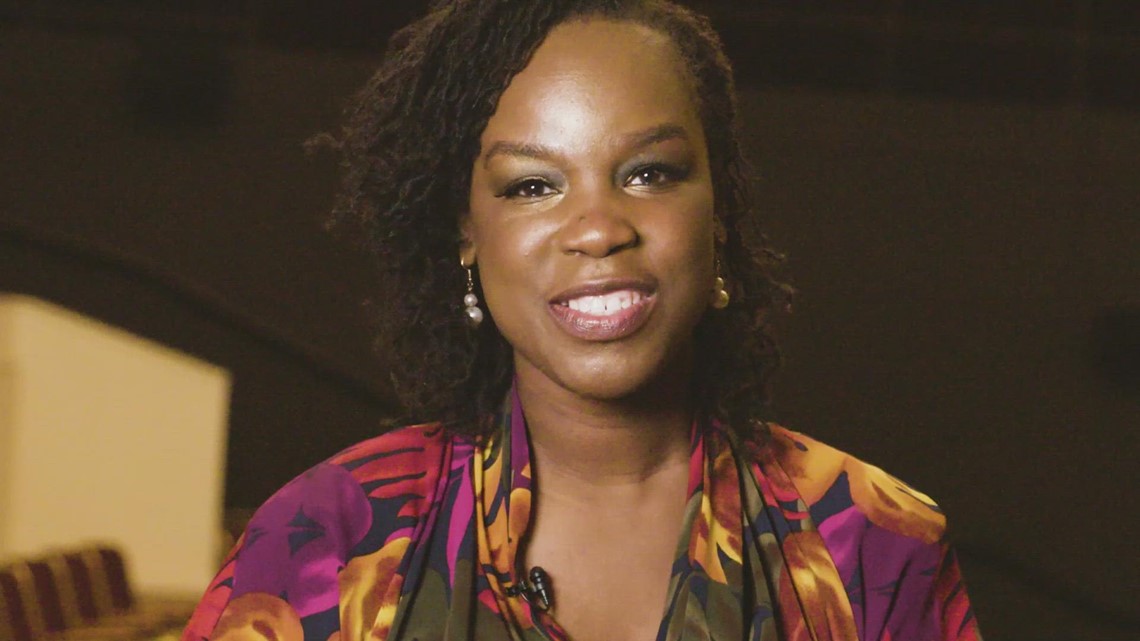
Dr. Timmie Foster smiling warmly, wearing a vibrant floral blouse and pearl earrings
Dr. Timmie Foster, Ed.D. · Instructor

The capital opportunity

More than funding.
A way to move your work forward.

You may need a paying customer, support for a community project, or capital to develop an innovation. Contracts and grants serve different purposes. Knowing the difference helps you pursue the right opportunity—not just a bigger number.

$183B+
In federal prime contracts to small businesses [1]
FY2024 awards · reported by SBA in 2025
28.8%
Of federal contracting dollars went to small businesses [1]
FY2024 share · reported by SBA in 2025
Up to $2M
In R&D funding per company through NSF SBIR/STTR [2]
2026 program · eligible technology businesses

Government contracts

Revenue for what you deliver.

Turn your organization’s capabilities into paid work: training, professional services, products, or other goods and services an agency needs. Contract revenue pays for delivery; any profit depends on your pricing, costs, and contract terms.
Project & program grants

Funding for work that matters.

Support an eligible public-purpose project, community program, or research effort. Approved budgets may cover staff time, equipment, and other project costs. Grant funds are restricted to the award’s purpose—not unrestricted cash for your business.

Research & development grants

Innovation without giving up equity.

For eligible technology startups and small businesses, NSF’s 2026 SBIR/STTR program offers up to $2 million per company for R&D. NSF takes no equity; awardees keep ownership of their company and intellectual property. This is a specialized route, not a general business grant.

Start with what you do well.
Learn which funding route deserves your next move.

These figures show market scale and a specific program’s funding limit—not typical awards or expected results from this cohort. Contracts pay for performance; grants fund approved purposes. Eligibility, competition, permitted costs, payment timing, and award terms vary. No funding or contract award is guaranteed.

Small businesses received $183B+ in federal prime contracts in FY2024. See the 2025–2026 figures.
  1. [1] SBA · January 10, 2025 · FY2024 results
  2. [2] NSF · May 21, 2026 · SBIR/STTR program
  3. [3] Grants.gov · Grant terms & requirements

You don’t need another list of opportunities you can’t use.

You need to understand what you’re looking at. Who is eligible? What is the funder or buyer asking for? What will you need to prepare? And is this worth your time?

Together, we’ll unpack the language, the requirements, and the practical steps behind both grants and government contracts, so you can make informed decisions about which opportunities deserve a closer look.

Two routes

Understand both. See what overlaps. Know what changes.

Grants

Funding to carry out an eligible project or purpose, under the funder’s requirements. Learn to examine applicant eligibility, program fit, proposed outcomes, budgets, and reporting responsibilities.

Illustrative example

An eligible community organization seeking support for a specific program.

Government contracts

An agreement to provide goods or services a government buyer needs. Learn to examine the scope of work, your capability to deliver, pricing, procurement requirements, and how to respond.

Illustrative example

A service business responding to a public agency’s request for training or other services.

Shared foundations

Both require a clear description of your work, careful reading, credible evidence, realistic numbers, organized documents, and attention to deadlines.

You’ll learn about both routes. The goal is to recognize suitable opportunities, including when an opportunity is not a fit for your organization right now.

How it works

From unfamiliar language to a practical plan.

Four live sessions connect the shared foundations with the details that make each route different.

  1. 01

    Week 1

    Nov 17 · 5:00 PM PT

    Get clear and get organized

    Understand grants, contracts, and where they overlap. Clarify what your organization does, who it serves, and what it can deliver. Identify the information and documents you’ll need to assess opportunities.

    You will work toward

    Your readiness checklist.

  2. 02

    Week 2

    Nov 24 · 5:00 PM PT

    Understand the grant opportunity

    Learn where to look, how to check applicant eligibility, and how to connect a proposed project with a funder’s priorities. Explore the building blocks of a grant narrative, budget, and measurable outcomes.

    You will work toward

    A grant-fit checklist and practice narrative framework.

  3. 03

    Week 3

    Dec 1 · 5:00 PM PT

    Understand the government buyer

    Learn how to read an opportunity, distinguish common solicitation types such as RFPs and RFQs, and consider prime and subcontracting routes. Explore capability, scope, pricing, and the structure of a response.

    You will work toward

    A contract-fit checklist and practice response framework.

  4. 04

    Week 4

    Dec 8 · 5:00 PM PT

    Connect the learning and plan your next move

    Compare what you’ve learned across both routes. Review your shortlist, identify gaps, and organize a realistic next-step plan based on your eligibility, capacity, and priorities.

    You will work toward

    Your opportunity shortlist and next-step action plan.

Finding a suitable open opportunity depends on your organization and what is available. Practice examples can help you build the skills even when an immediate application or bid is not the right next step.

Leave with a clearer way to evaluate what comes next.

You will work toward

  • A clearer understanding of grants and government contracts
  • A readiness checklist for your organization
  • A method for checking fit before investing time
  • Practice frameworks for a grant narrative and a contract response
  • An opportunity shortlist or a focused search plan
  • Practical next steps based on your current situation

A good fit if…

  • You have a business, service, nonprofit, or community initiative you can explain.
  • You want to understand both grants and government contracts.
  • You’re willing to research requirements and do the preparation.
  • You want live learning and a practical place to begin.

This is an educational cohort. It does not include done-for-you grant writing, bid submission, legal advice, or a promise of funding or contract awards.

Winner of the City of Destiny Lifetime Service Award

Tacoma, Washington · 2023

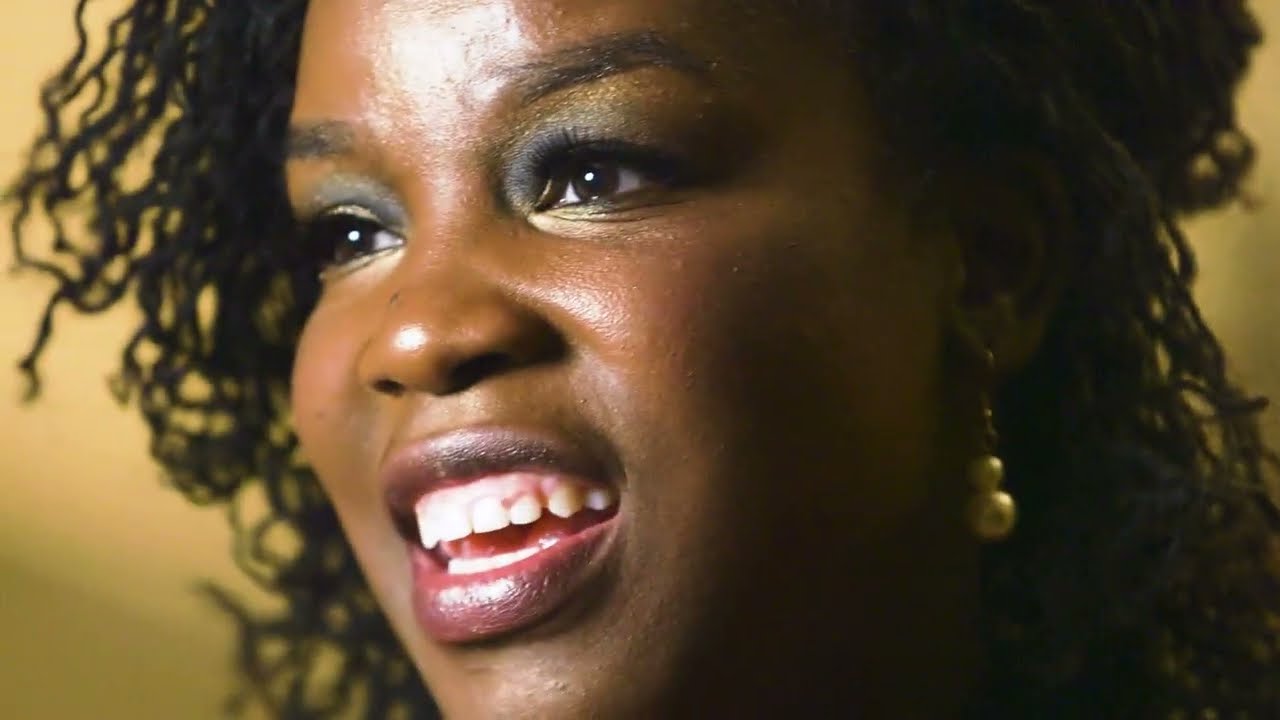
Close-up of Dr. Timmie Foster smiling mid-conversation, wearing pearl drop earrings

Your instructor

Meet Dr. Timmie Foster

Dr. Timmie Foster, Ed.D.

Dr. Timmie brings teaching experience in government contracting to this live learning experience. Her approach here is practical: make the language understandable, examine what an opportunity actually requires, and help you organize your next steps.

A real person to learn with. A clearer process to work through.

Dr. Timmie Foster is a great help to whoever she comes across.

Tacoma Events

Learn both routes. Make a more informed next move.

Special early-mover price

$497

Regular price $797

One enrollment for all four live sessions covering grants, government contracts, and their shared foundations.

Tuesdays, November 17 – December 8, 2026 · 5:00 PM PT · 4 × 90 minutes.

Educational guidance. No funding or contract award guarantees.

FAQs

Questions, answered plainly.

Will we cover both grants and government contracts?

Yes. Everyone learns about both. We’ll cover shared foundations together and explain the differences in eligibility, preparation, and response requirements.

Do I need to be a nonprofit?

Not necessarily. Government contracting can be relevant to businesses that can deliver the requested goods or services. Grant eligibility varies by opportunity; some grants are limited to particular types of organizations. We’ll teach you how to check.

Will Dr. Timmie write or submit applications for me?

No. This is a live educational cohort. You’ll learn the process and work on your own preparation; done-for-you writing and submission are not included.

Do I need prior experience?

You can be new to these processes. It helps to have a clear business, service, organization, or project to use as your learning context.

Will I get a grant or government contract?

No outcome is guaranteed. Awards depend on eligibility, the opportunity, your response, competition, and the funder’s or buyer’s decisions.

When does the cohort meet?

Tuesdays, November 17 – December 8, 2026. Each of the 4 live sessions runs 90 minutes at 5:00 PM PT.

What time zone are the sessions in?

All four sessions begin at 5:00 PM PT — Pacific Time. The dates fall after the November clock change, so Pacific Time is the same offset for every session.

What is the price?

The special early-mover price is $497. The regular price is $797.

Know what you’re looking for. Know why it fits.

Build a clearer understanding of grants and government contracts, then put that understanding to work on your next steps.

$497 early-mover price · Regular price $797

Tuesdays, November 17 – December 8, 2026 · 5:00 PM PT · 4 × 90 minutes

Enrollment

Enrollment opens soon

Checkout is not connected yet. Please check back for enrollment details.

Tuesdays, November 17 – December 8, 2026 · 5:00 PM PT · 4 × 90 minutes